RoboSub
Our first autonomous underwater vehicle, taking the team below the surface for the first time and into a new class of competition. This is the machine we are building now.
Details coming soonEvery machine the team has designed, built, and programmed — from the autonomous ground vehicle we took to Michigan to the trebuchet that throws pumpkins down Main Street.
Newest first. Each card opens the full write-up for that robot — the design, the build, the software, and how it did at competition.
Our first autonomous underwater vehicle, taking the team below the surface for the first time and into a new class of competition. This is the machine we are building now.
Details coming soon
Outreach
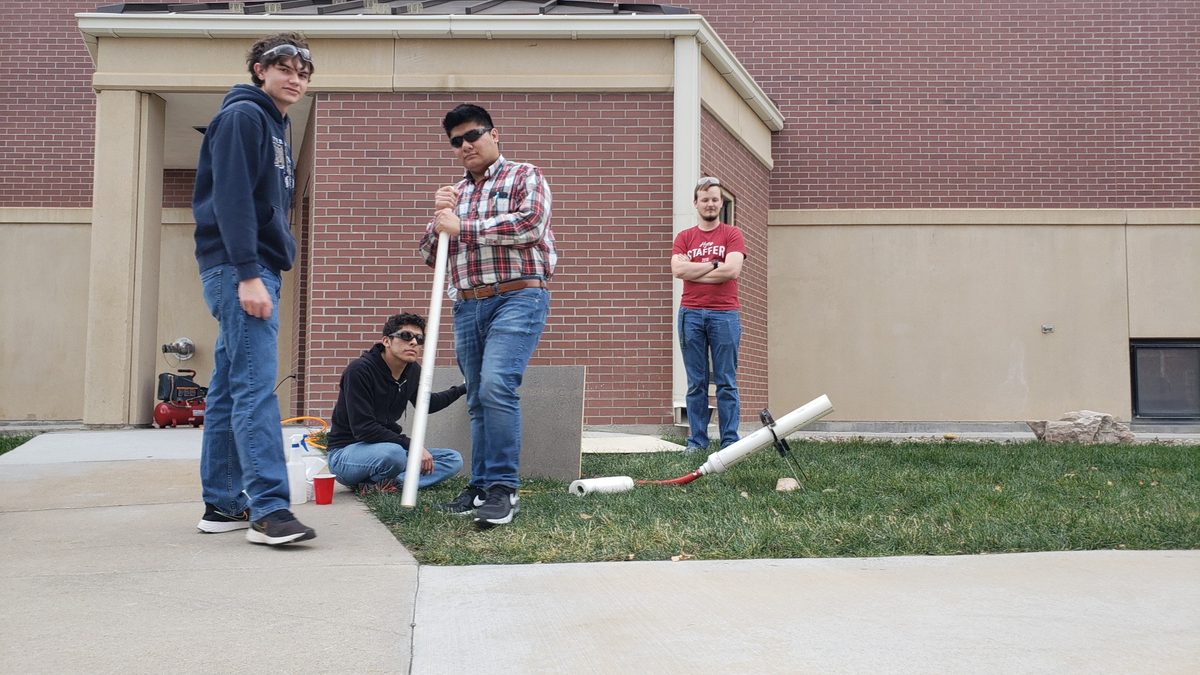
What better way is there to promote our robotics team and our engineering school than to use a robot to shoot t-shirts into the crowd at promotional events? This robot is being designed exactly for that purpose: promoting the South Dakota School of Mines and Technology. Design began Fall of 2020, but construction was delayed due to a pandemic and all that jazz. Construction began Fall of 2021 where a prototype cannon was designed and constructed for testing effectiveness of the design.
View details
NRC
The purpose of this competition is to create a autonomous 20lb robot that will be placed in a ring and must push another bot out of the ring. You can visit the competition website here: NRC and the rule book here: NRC rules.
View details
IGVC
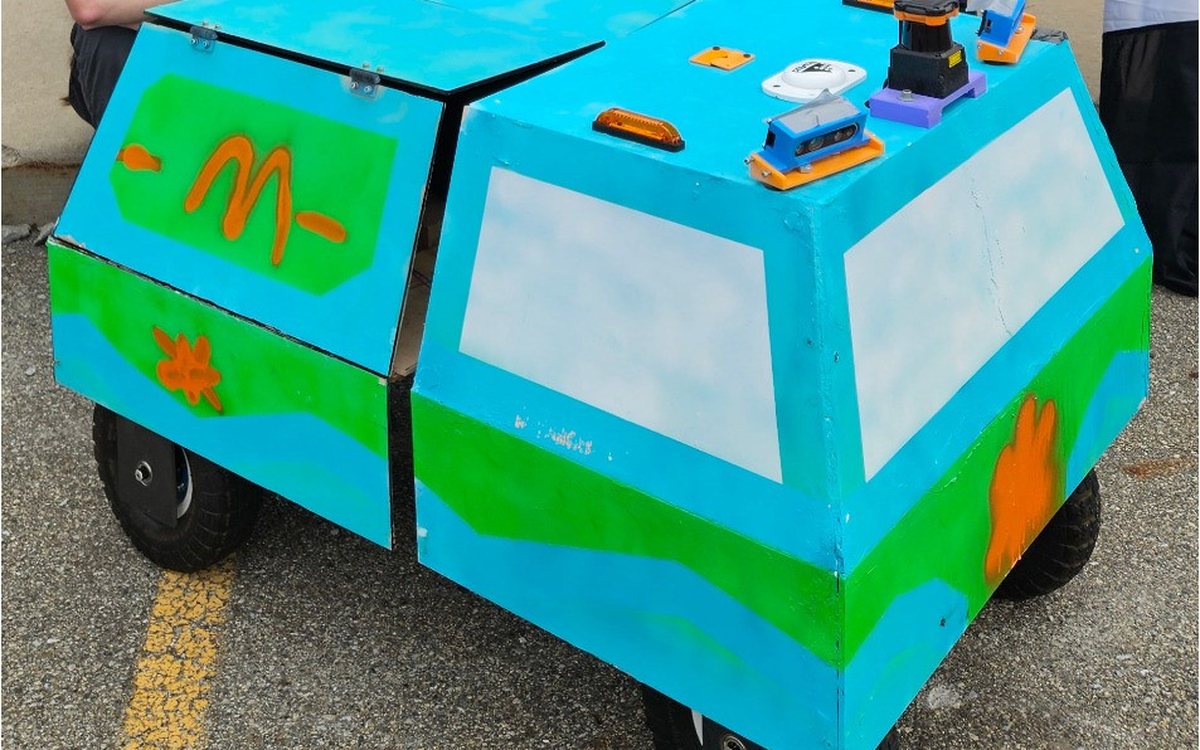
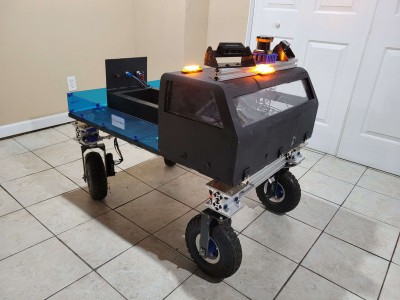
The main objective with this competition is to build a robot that can autonomously navigate around a course staying in-between white lines and avoiding obstacles in its path. You can visit the competition website here: IGVC. During the competition, we failed to qualify. Our design report can be found in the links section of the write-up.
View details
IGVC
The main objective with this competition is to build a robot that can autonomously navigate around a course staying in-between white lines and avoiding obstacles in its path. You can visit the competition website here: IGVC. We won 4th in the design portion of the competition. We also won the rookie of the year award. Our design report can be found in the links section of the write-up.
View details
NRC
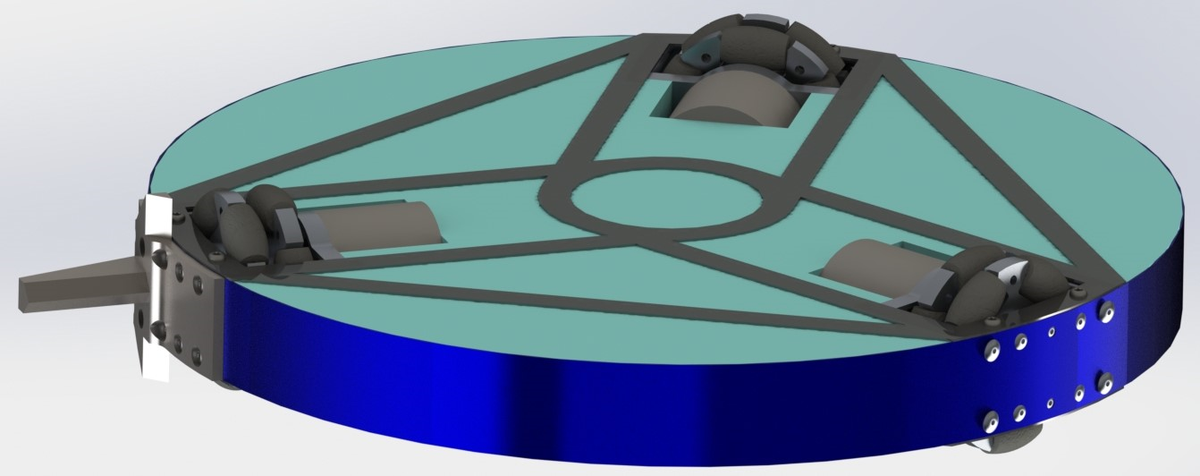
This robot was constructed to compete in the Combat Robot event at the 2020 NRC competition. The goal of this competition is to construct a 14" x 14" x 14" 3lb beetleweight robot. Two robots fight head-to-head in an enclosed 8’x8’ arena until one of the bots becomes immobilized. The robot we designed for this was a full-body spinning robot. It is circular and the entire robot is designed to spin at approximately 500rpm.
View details
NRC
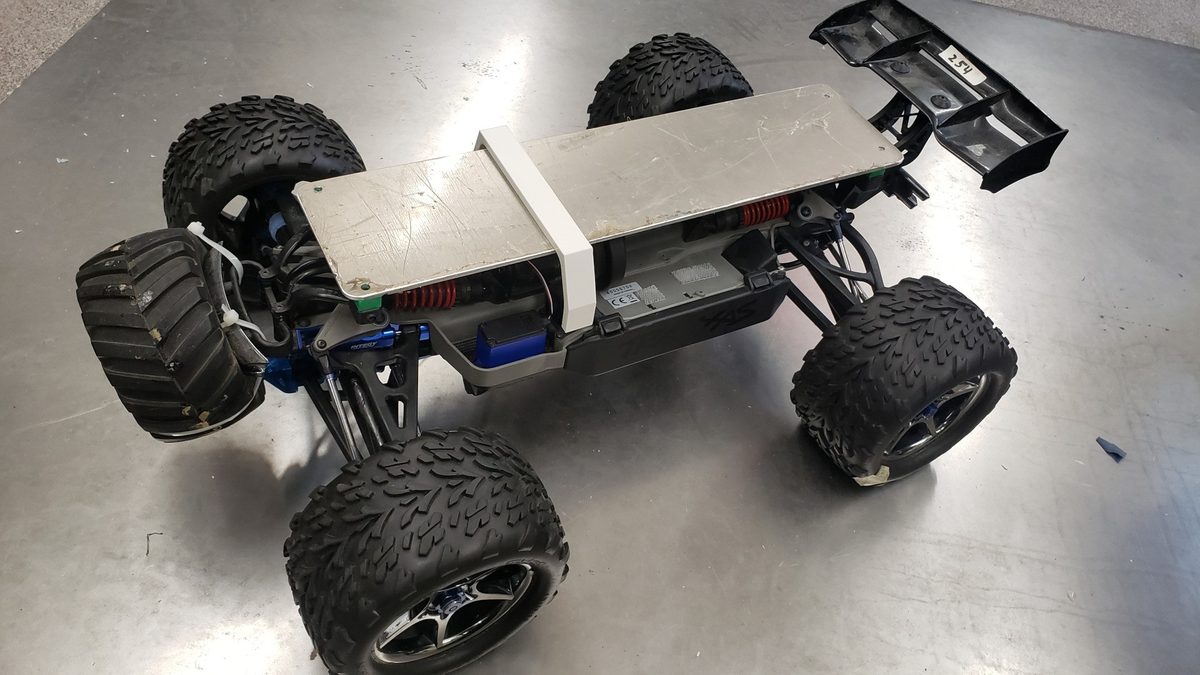
This bot was built and programmed for competing in the National Robotics Challenge (NRC) Autonomous Vehicle Competition (AVC). The purpose of this competition is to build and program a self-driving car that will navigate a course in the shortest time possible. Points are awarded for speed and also for successfully navigating through obstacles.
View details
Hardware
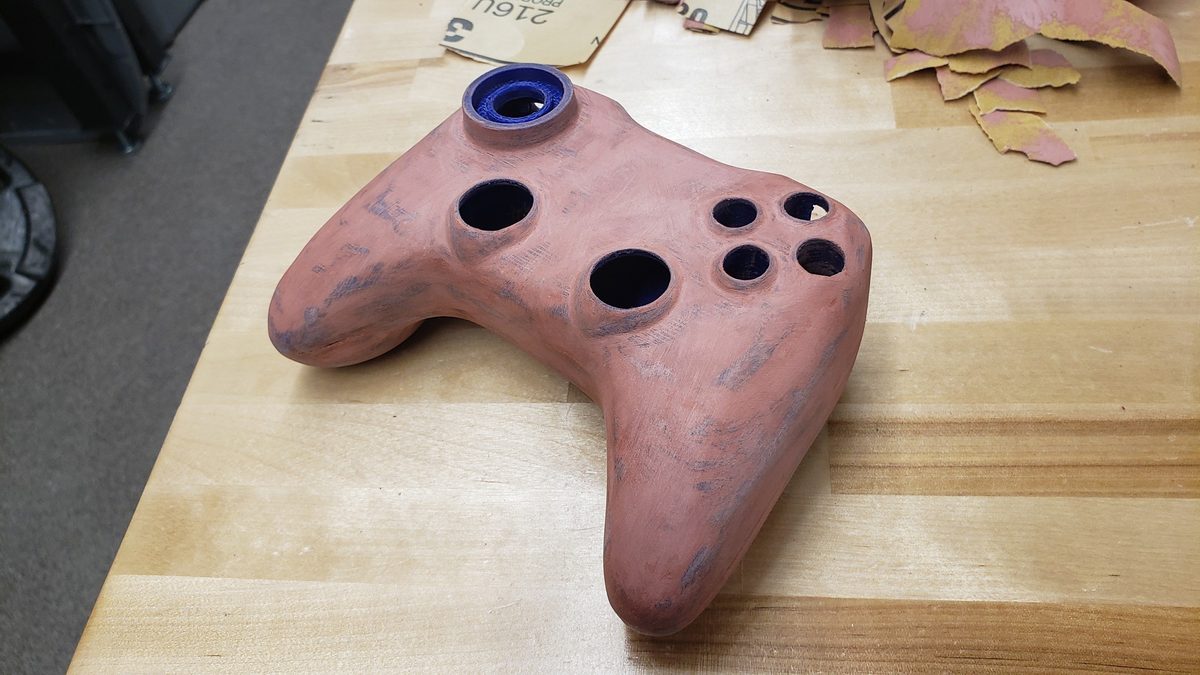
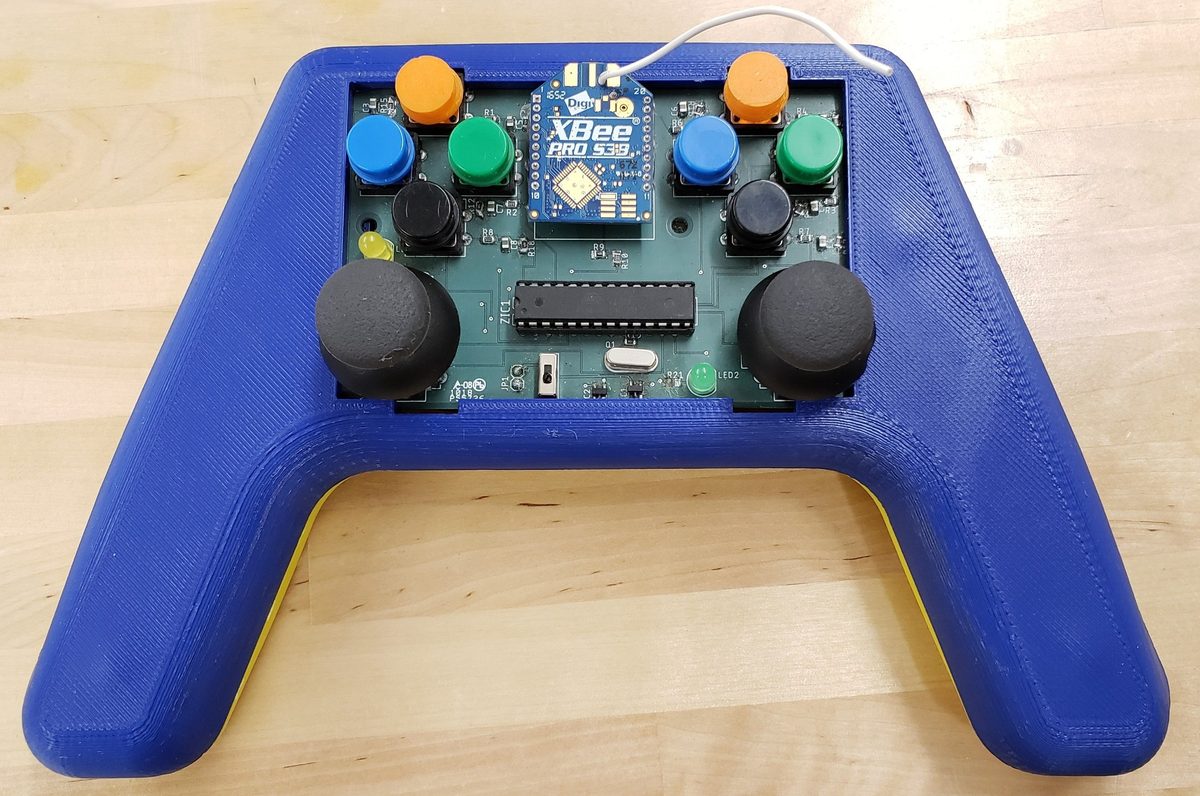
Redesign of the previous controller. The goal of this version was to fix some of the issues with the previous version while adding some new features. Some of the improvements include: better battery life, integrated battery charger, more ergonomic case, and triggers and bumpers.
View details
ASME
B.A.M. (Ball Acquisition Machine) is a robot constructed for the 2019 ASME Student Design Competition. The goal of the competition was to collect balls of various sizes from 20cm tall tubes and dispense them into a 50cm x 50cm scoring area.
View details
ASME
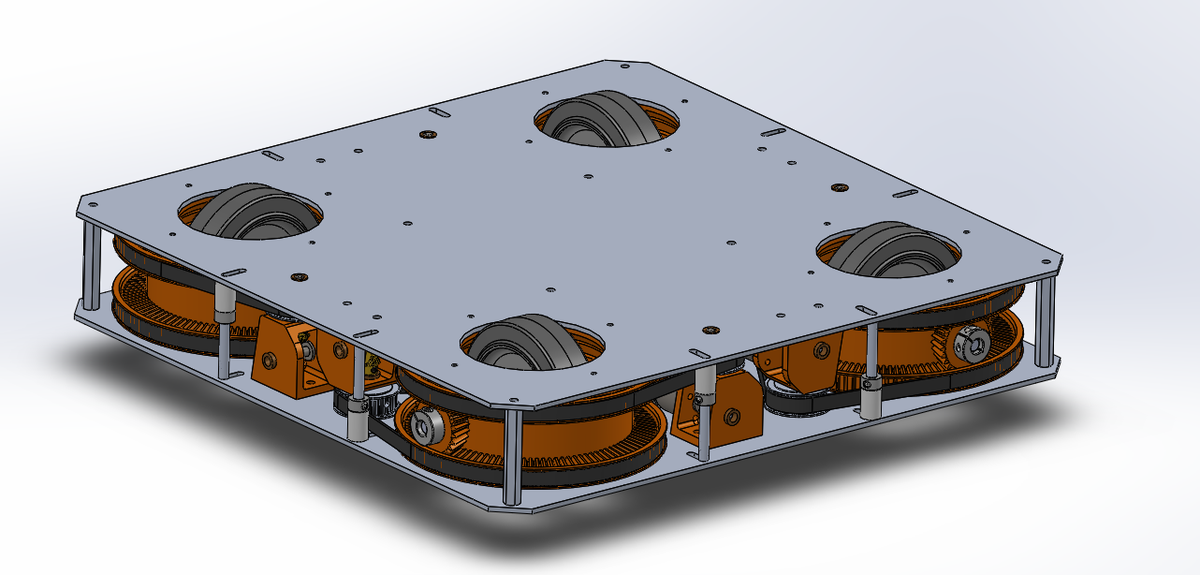
Swervebot is a drivetrain idea we had for the 2019 ASME Student Design Competition. Its main feature is a differential swerve drive system for omnidirectional motion. A standard swerve drive robot works by rotating wheels about their vertical axis so that they face in the direction the robot needs to move. This differential swerve drive design is more efficient since it does not require an additional motor for rotating the wheels (both motors are used for driving the robot).
View details
ASME
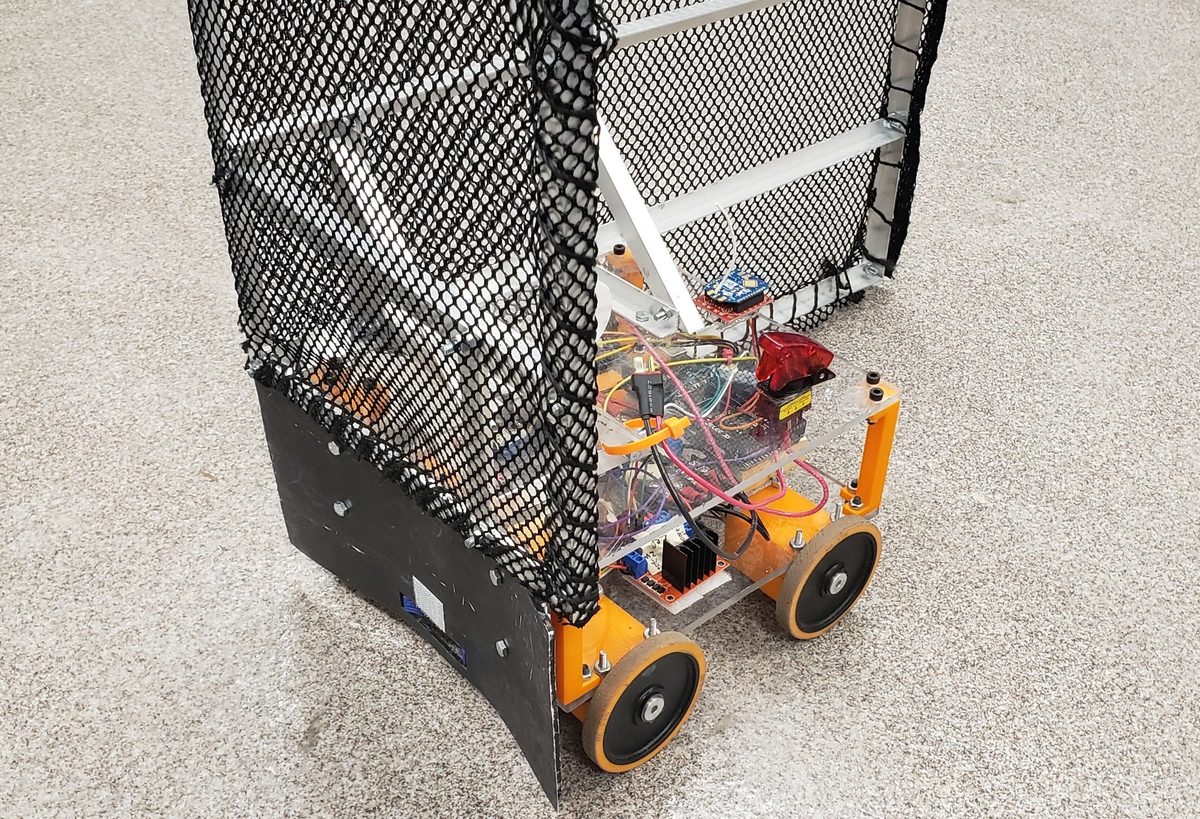
Robots created to compete in the 2018 ASME Student Design Competition. For this competition, we created three bots: two for defense and one for offense. The three robots were designed to fit together inside of an 18” cube to meet the size requirements in the rules.
View details
Hardware
Custom controller developed for use with the soccorbots for the 2018 ASME SDC. Even though the controller was designed for this purpose, the primary goal was to create a controller that could easily be used with any of our robots in the future. Designing it ourselves would give us complete control of how the controller behaves and sends information to the robot. The controller used an ATMEGA328P as the controller and an XBee-Pro 900hp for communications.
View details
Platforms
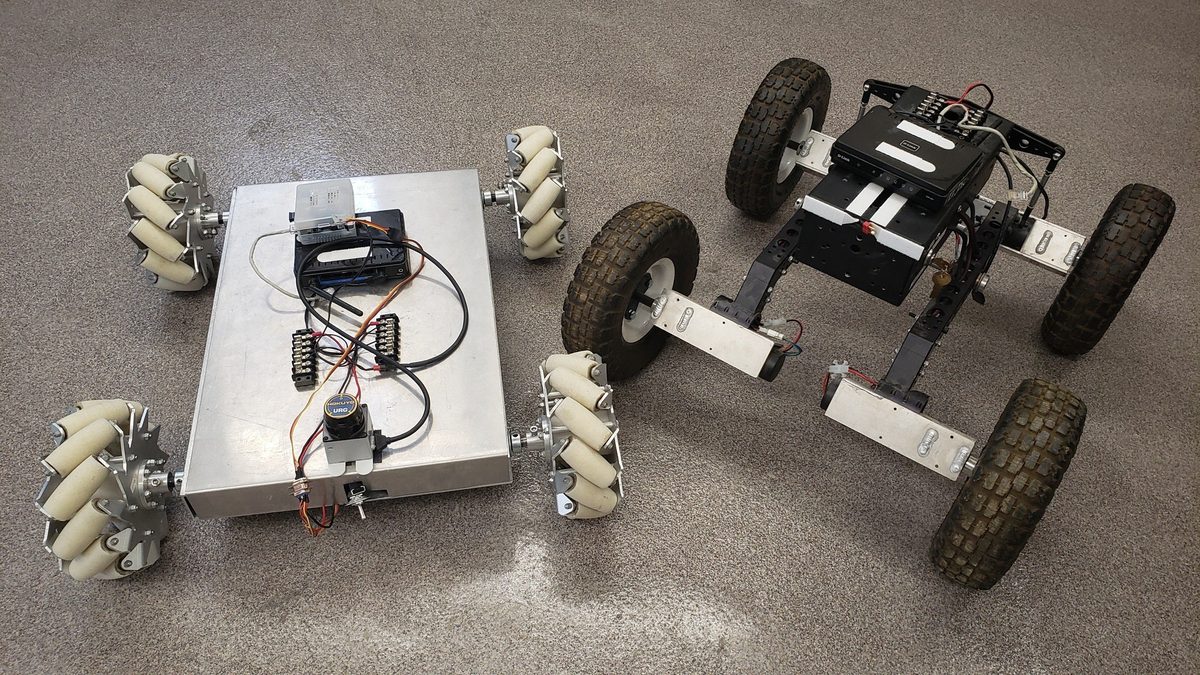
The SMPs and Mecanumbot were developed for three primary uses: learning and research, functional examples, and demos. The Surface Mobility Platform (SMP) is based on an all terrain chassis developed by Gears Educational Systems. The design incorporates independent suspension for the left and right sides of the robot. This chassis was modified by adding the silver motor-housings and beefier motors for more power.
View detailsNothing built for that one yet.
The write-ups are only part of it. The build logs, the photos, and the code all live somewhere.
Season write-ups, competition results, and what the team has been up to between them.
Read the newsCompetition trips, workdays in McLaury, outreach events, and a decade of robots in various states of assembly.
Open the galleryFirmware, autonomy stacks, and computer vision for our robots are developed in the open.
Browse on GitHubNo experience required. Turn up to a meeting or a workday, tell us what you are curious about, and we will put a tool in your hand.