Welcome!
This past semester consisted of starting work on designing, building, and programming our robot for our competition this year. In this newsletter, we also cover some of our community involvement where we share our love for robotics. We have outlined the progress made by our mechanical, electrical, and computer science sub-teams in getting the robots ready.
About the Team
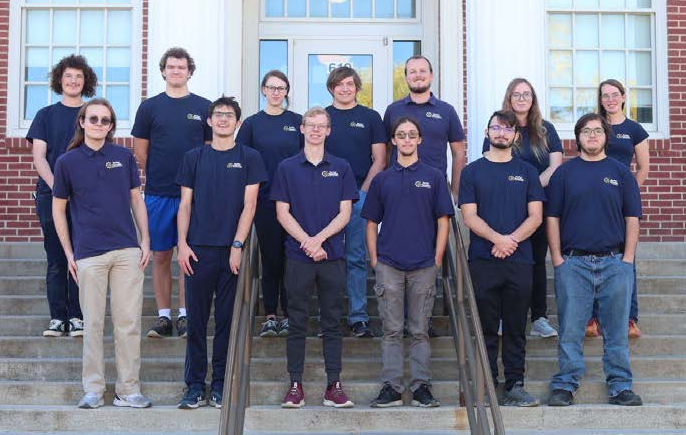
The South Dakota Mines Rocker Robotics Team is located on the South Dakota School of Mines campus in Rapid City, South Dakota, and is dedicated to introducing students to robotics. Instead of being tied to a particular competition, we give ourselves the freedom to decide on which competition(s) to attend year by year. Partially as a result of this, we build most of our parts — from machining metal to designing custom circuit boards.
We are a multidisciplinary team that welcomes anyone, but we are composed mostly of mechanical, electrical, and computer engineering majors, as well as computer science. Besides all of the technical skills that our team members develop, we also provide plenty of opportunities to advance leadership and project management skills. Our members can apply these skills within our organization via elected officer positions such as President, Vice-President, Treasurer, Secretary, Outreach Coordinator, and Historian.
NRC Sumo Bot
This year the team is competing at the National Robotics Challenge (NRC) in Marion, Ohio. The competition will take place from April 3rd through the 5th. The goal is to design a robot that fits within a 20” x 20” x 20” box and is less than 20 pounds that will autonomously push the opponent out of the arena. The team will also complete a document detailing the design process of our robot for the judges. To use time effectively, those working on the competition robot were split into three sub-teams with Mechanical, Electrical, and Computer Science focuses. More about what each sub-team has accomplished is shared below.
Mechanical Team
The mechanical sub-team is focused on designing and building the chassis, drivetrain, and outer shell of the robot. We utilize CAD software to design the robot to the specifications of the competition and hold multiple design reviews with professionals before building the final design.
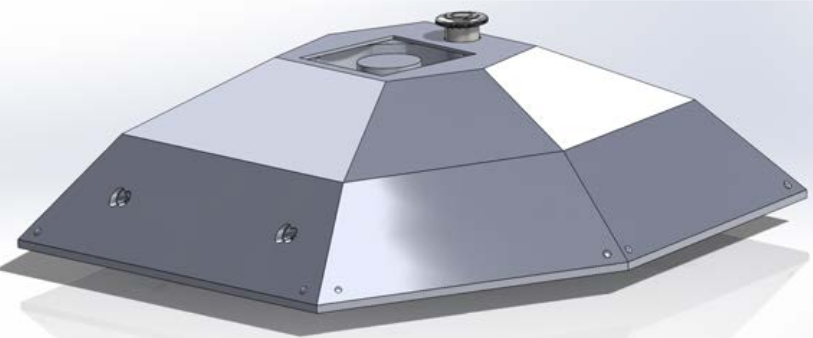
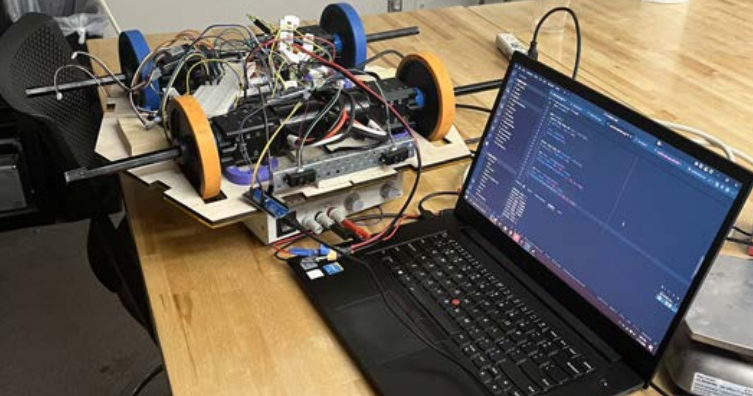
Our approach this year is to construct a robust and straightforward robot that allows for any necessary redesign after testing. The design is hexagonal shaped wedge so the enemy robot will slide off of ours if attacking from the side. It is also mirrored to allow either side to act as front or back. The mechanical team is currently moving into the building phase after completing the prototype robot for the computer science team to practice with. The plan this year is to have the test chassis working in addition to the final robot in order to practice matches with.
Electrical Team
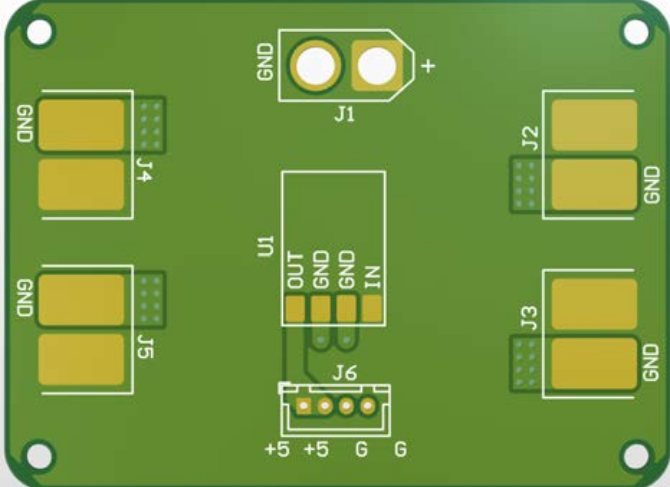
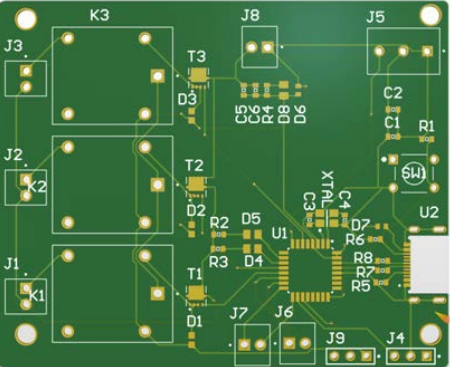
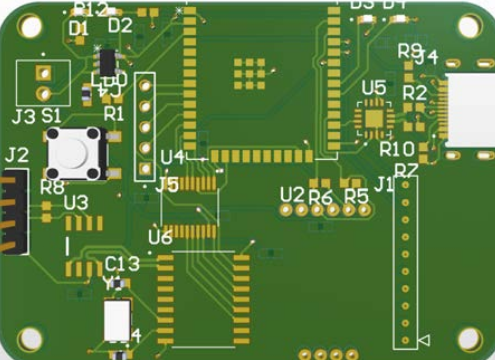
The electrical sub team's responsibilities consist of powering the various components and connecting them to establish communication between the systems. This year, the team designed a total of five boards: two for the Sumo Bot, two for the T-Shirt Cannon, and an improved version of our existing E-Stop board.
The power distribution board was designed to draw power directly from our battery and supply 12V to the motors and 5V to the logic board and various sensors. It mitigates noise and back current, protecting our battery and other connected components. It is engineered to handle the sudden increase in current demand the Neo motors require when encountering resistance.
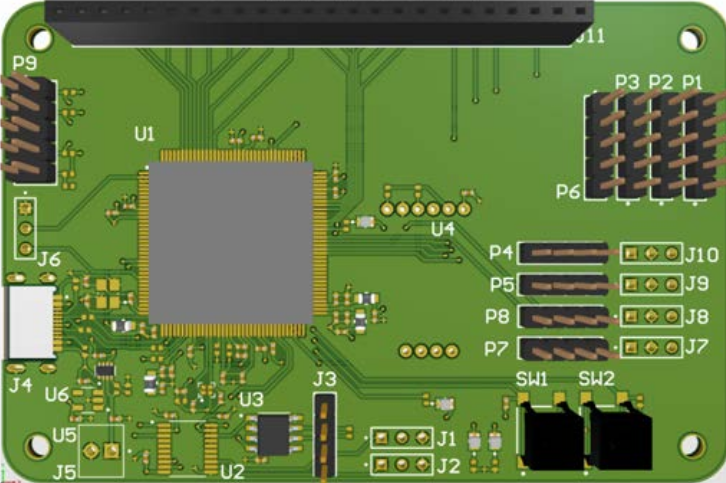
Our sumo robot's main logic board processes sensor data, powers 5V/3.3V sensors, and handles CAN motor control. It uses an ATSAM3X8EA microcontroller and provides extra IO pins, a serial port for debugging, and serial communication. Currently, it supports four 1D LiDARs, four line sensors, two LED sets, one IMU (Inertial Measurement unit), and one optical sensor.
Computer Science Team
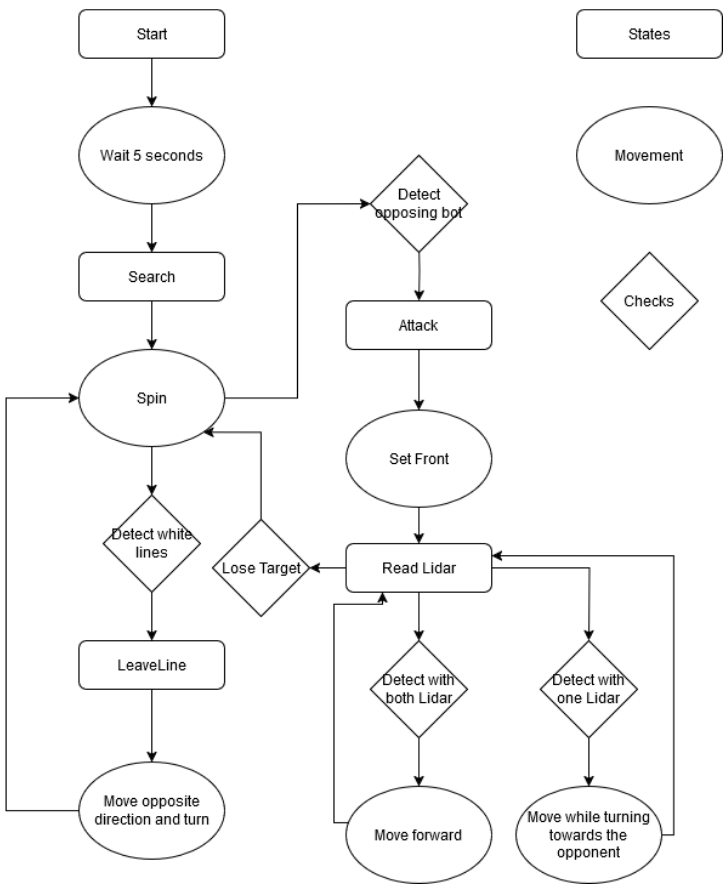
The competition will start with two robots oriented in one of four different orientations. Our robot will begin spinning looking for the opponent with the TFmini LiDAR sensors mounted on either side. Once the opposing bot has been detected, one of our mirrored sides will be set as the front. If we lose sight of the opponent, we will continue spinning until we detect them again. Two LiDARs mounted a set distance apart allow us to determine if the opponent is directly in front of us or more to the side. We use that in addition to the distance provided to pursue the opponent.
We’re also using line sensors to detect the edge of the arena. These will be placed near each wheel. Their job is to ensure the bot avoids driving out of the ring by quickly reacting when the edge is detected. An optical flow sensor will also be used to measure the bot’s current velocity. We will be implementing this sensor along with an IMU to be able to determine our orientation and position as well as if our opponent is pushing us out of the ring.
Trebuchet
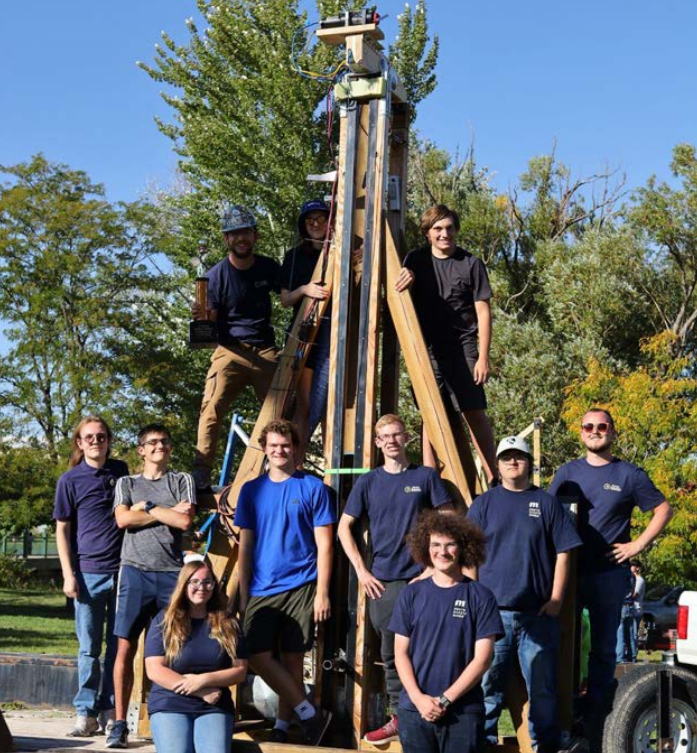
Once again, the team participated in the annual Pumpkin Chunkin’ competition during the Rapid City Pumpkin Festival. This year we fixed some issues with the old trebuchet but overall left the design alone. The wood on the trebuchet was starting to bend and crack in a few spots along with the arm rubbing the sides as it fired, so we knew this would be its last year. The trebuchet performed as well as in previous years, if not better. The team won the competition with a total score of 1069.34 points! There are plans to redesign the trebuchet for next year once competition work is finished.
T-Shirt Cannon
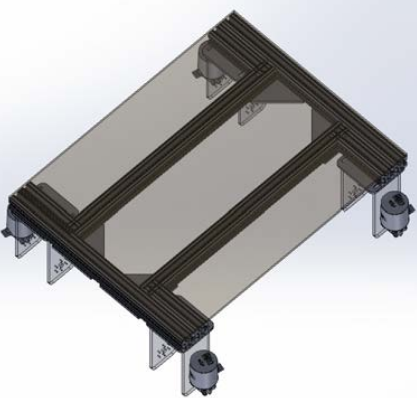
This year, the team resumed the T-Shirt Cannon project, focusing on designing the chassis and custom electrical boards. The chassis, inspired by last year’s Intelligent Ground Vehicle Competition, features a split beam for added support and mounting points. The current drivetrain is a fixed-wheel tank drive for simplicity, with plans to upgrade to front-wheel swerve steering if time allows. A linear actuator enables adjustable firing angles for the cannon, with mounts and testing expected to be completed soon.
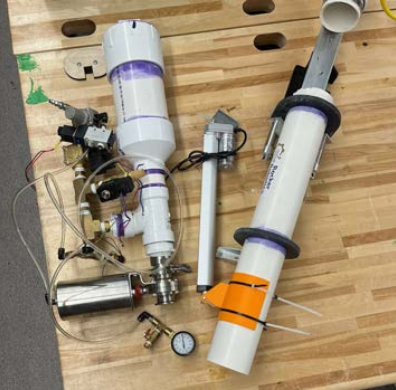
Two boards are being designed for the cannon. The logic board reads controller input to manage robot movement, while the control board (or ‘spag board’) handles pneumatics and LED controls. Originally a breadboard setup, the spag board now consolidates onto a PCB to manage relays for loading, firing, and bleeding the pneumatics. It also controls LEDs to display pressure gauge levels and showcase the cannon.
In addition to design and manufacturing, we will also be checking and repairing connections for the pressure system, and adding a fresh coat of paint to make the cannon look even cooler!
Lab Updates
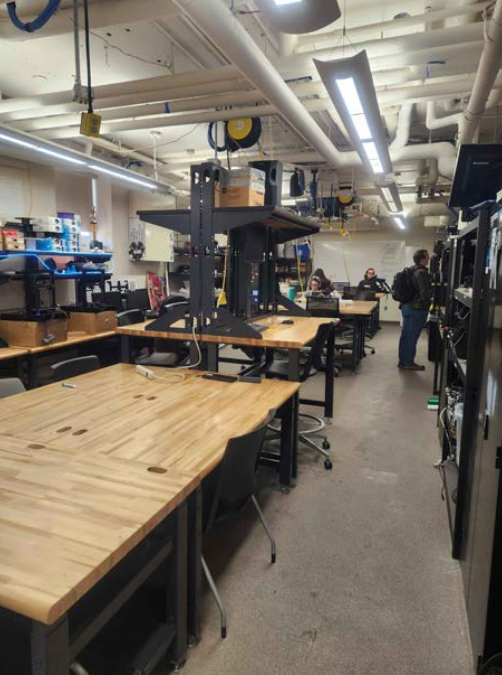
We have been working towards getting a desktop CNC for our tool room. It will significantly increase our manufacturing abilities and allow us to do more in-house manufacturing. Those abilities include more precise manufacturing and replacing uses of tools no longer allowed in our work space. We have also completely redesigned the layout of the lab space and reorganized it. It is much more conducive to working now as things are more organized and cleaned up.
Community Outreach
This past semester, we engaged with the community through various outreach events. At Go To Mines, team members helped the Electrical Engineering and Computer Science department showcase projects and answer questions from prospective students and families. We demonstrated our robots at Summer Nights downtown and introduced robotics to scouts at the Girl Scouts’ BIG Event. Additionally, we supported the local First Lego League competition by building arenas, judging, and providing assistance wherever needed.
That’s it for Now
Thank you so much for your support! We are glad we could share our progress with you, and we look forward to creating more amazing robots!
A special thanks to our sponsors as well, what we do would not be possible without all the help and support we have received from all of you!